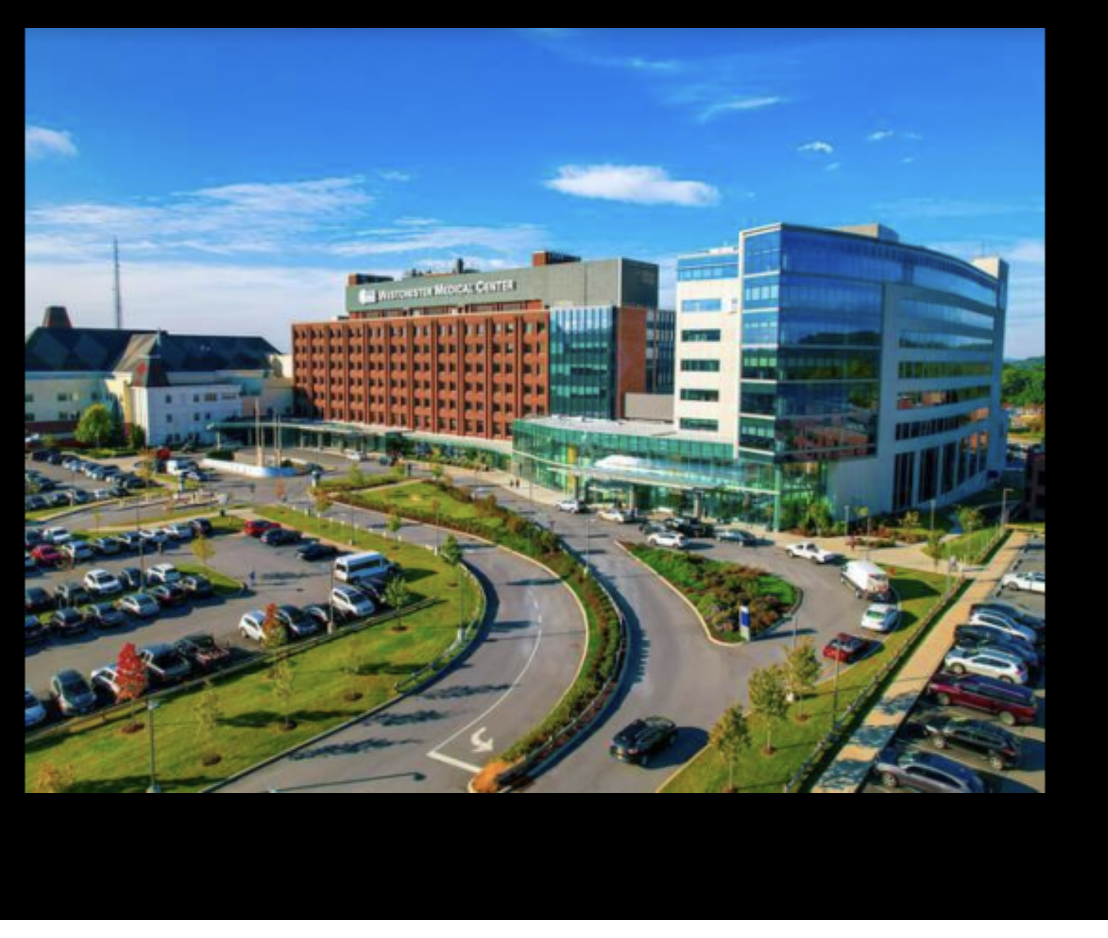
Westchester Medical Center — Clinical Systems
Clinical technology stabilization for the Hudson Valley's flagship medical center.
Client
Westchester Medical Center
Role
Healthcare Systems Consultant
Duration
Multi-phase engagement
Scale
Healthcare Systems Consultant
Focus
Clinical Systems
Executive Outcome
Clinical technology stabilization for the Hudson Valley's flagship medical center.
Project Overview
Delivered clinical application configuration, workflow validation, and controlled cutover for Westchester Medical Center — the Hudson Valley's flagship academic medical center. The engagement stabilized specialty service-line workflows, drove a 30-day defect burn-down of 87%, and delivered a Sev-1-free go-live across nine service lines.
Metrics
Enterprise delivery footprint at a glance — sites, applications, integrations, and stakeholder scale.
Timeline
Multi-wave delivery timeline from discovery through hypercare, plotted in relative program months.
Facilities
Each facility below anchors a delivery wave with its own workflow, integration, and activation profile.
Challenges
As the Hudson Valley's flagship academic medical center, WMC required precise clinical application configuration across acute-care and specialty service lines with zero tolerance for downtime during cutover. A pre-existing defect backlog risked eroding clinician trust, and specialty workflows demanded bespoke validation the enterprise template could not satisfy out of the box.
- Zero Sev-1 go-live tolerance across acute and specialty care
- Burn down open defect backlog before hypercare
- Restore clinician trust in the platform
- Configure specialty workflows outside the enterprise template
- Protect interface uptime with legacy specialty systems
- Establish command-center governance for the first 72 hours
Architecture
Delivery pillars spanning solution strategy, application configuration, integration, testing, governance, and operational optimization.
Partnered with CMIO and specialty service-line leaders to inventory current-state clinical workflows, validate configuration against acute and specialty needs, and close gaps that generic enterprise templates could not address.
Configured Oracle Health Millennium clinical modules — PowerChart, order sets, documentation, and specialty flowsheets — and tuned them iteratively based on service-line feedback pre- and post-cutover.
Directed SIT and UAT across nine service lines, executed 1,200+ scripts, and drove a prioritized defect burn-down that reduced open workflow defects from 140 to 18 in 30 days.
Coordinated interface monitoring and a paired-support pattern with legacy specialty systems to protect uptime through cutover and the hypercare window.
Ran daily clinical liaison huddles through hypercare, rebuilt clinician confidence via visible defect resolution, and coordinated a command-center model for the first 72 hours of go-live.
Continued workflow tuning and Sev-2 backlog reduction after stabilization, converting the initial go-live wins into sustained operational improvements.
Workflow
How the engagement moved from current-state discovery to production optimization, and how daily operations changed as a result.
- 01Discovery
- 02Service-Line Workflow Validation
- 03Configuration
- 04System Integration Testing
- 05User Acceptance Testing
- 06Cutover & Command Center
- 07Hypercare
- 08Optimization
Deliverables
Governance, design, and activation artifacts owned or co-authored across the engagement.
Results
Value delivered — measured operationally, financially, and organizationally.
Delivered cutover across nine service lines with zero Sev-1 incidents.
Reduced open workflow defects from 140 to 18 within 30 days of go-live.
Daily clinical liaison huddles converted skeptics into champions.
Legacy specialty interfaces held uptime through cutover and hypercare.
Directional metrics anonymized per client confidentiality; detailed figures available under NDA.
| Risk | Impact | Mitigation | Status |
|---|---|---|---|
| Service-line-specific workflow gaps at go-live | Week-one clinical escalations and productivity loss. | Dedicated service-line validation cycles pre-cutover. | Mitigated |
| Defect backlog eroding clinician trust | Adoption fatigue and loss of executive confidence. | Prioritized burn-down and daily clinical liaison stand-ups. | Resolved |
| Interface downtime with legacy specialty systems | Broken workflows across critical service lines. | Interface monitoring and paired-support pattern. | Mitigated |
Lessons Learned
Delivery insights carried forward to future waves and future engagements.
Service-line-specific validation prevents week-one workflow escalations.
Daily clinical liaison huddles during hypercare accelerate defect burn-down.
Command-center models pay for themselves in the first 72 hours.
Restoring clinician trust is a governance problem, not a training problem.
Stabilization playbook for high-acuity academic medical centers.
This engagement sharpened expertise in academic medical center stabilization, specialty workflow validation, defect burn-down governance, and hypercare command-center leadership — proving Oracle Health Millennium can be tuned to specialty realities without compromising enterprise standards.
Appendix
Methodology, frameworks, terminology, references, and acknowledgements underpinning this engagement.
Agile build cycles with waterfall cutover control. Command-center governance activated 72 hours pre-cutover; daily clinical liaison huddles ran through hypercare.
- ◇Oracle Health Millennium Model Experience — Clinical Reference
- ◇PMI PMBOK — Cutover & Risk Governance
- ◇ITIL v4 — Incident & Problem Management
- ◇HIMSS EMRAM — Adoption Benchmarks
- ◇WMC CMIO & Clinical Informatics
- ◇Specialty Service Line Leaders
- ◇IT Operations & Interface Team
- ◇Oracle Health Delivery
- Sev-1
- Severity 1 incident — critical impact to patient care or downtime with no workaround.
- Hypercare
- Elevated post-go-live support window with dedicated command-center and clinical liaison resources.
- CMIO
- Chief Medical Information Officer — clinical executive owning informatics strategy.
- Burn-Down
- Rate at which open defects are resolved over a fixed window.
- Oracle Health Millennium Clinical Reference Architecture
- HIMSS EMRAM Stage 6/7 Criteria
- The Joint Commission Record of Care Standards
Delivered in partnership with WMC clinical informatics, specialty service-line leaders, IT operations, and Oracle Health delivery teams.